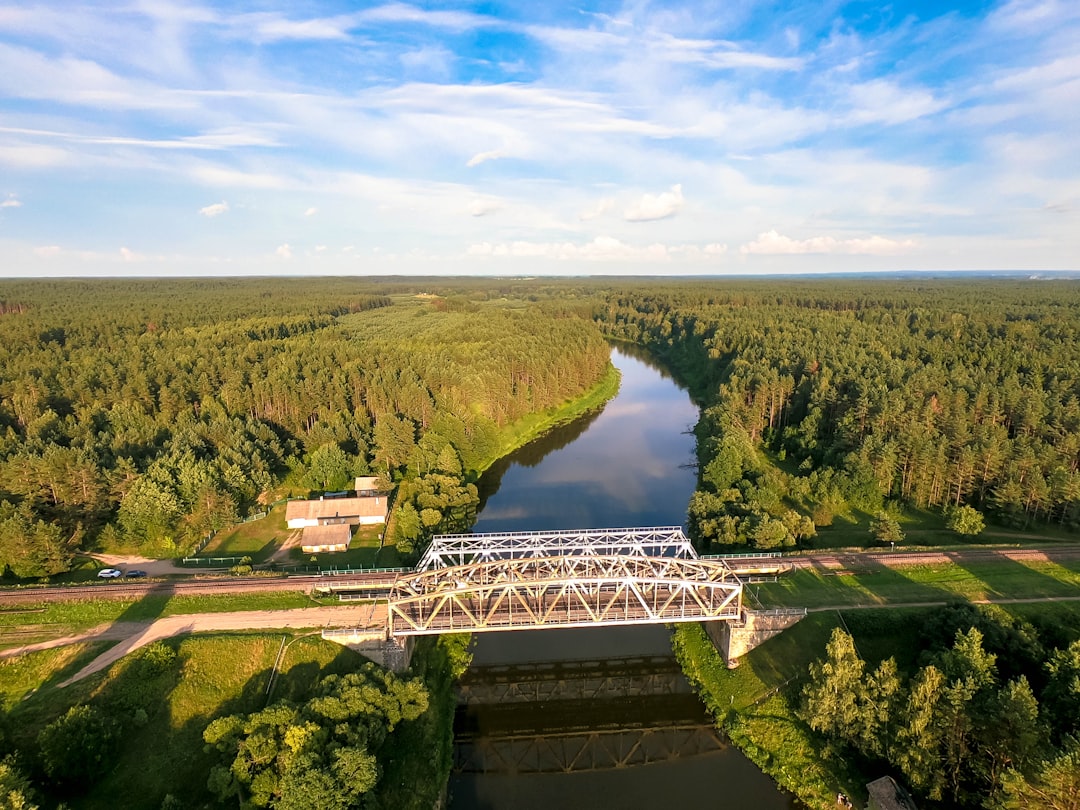
Lithuania: Where Amber Meets the Sky
Ancient forests, baroque dreams, Baltic soul
Ancient forests, baroque dreams, Baltic soul
Lithuania is a land where medieval towers pierce misty skies and cobblestone streets whisper centuries of defiance and beauty. From the wild dunes of the Curonian Spit to the baroque heart of Vilnius, every corner hums with a quiet, untamed magic that lingers long after you leave.
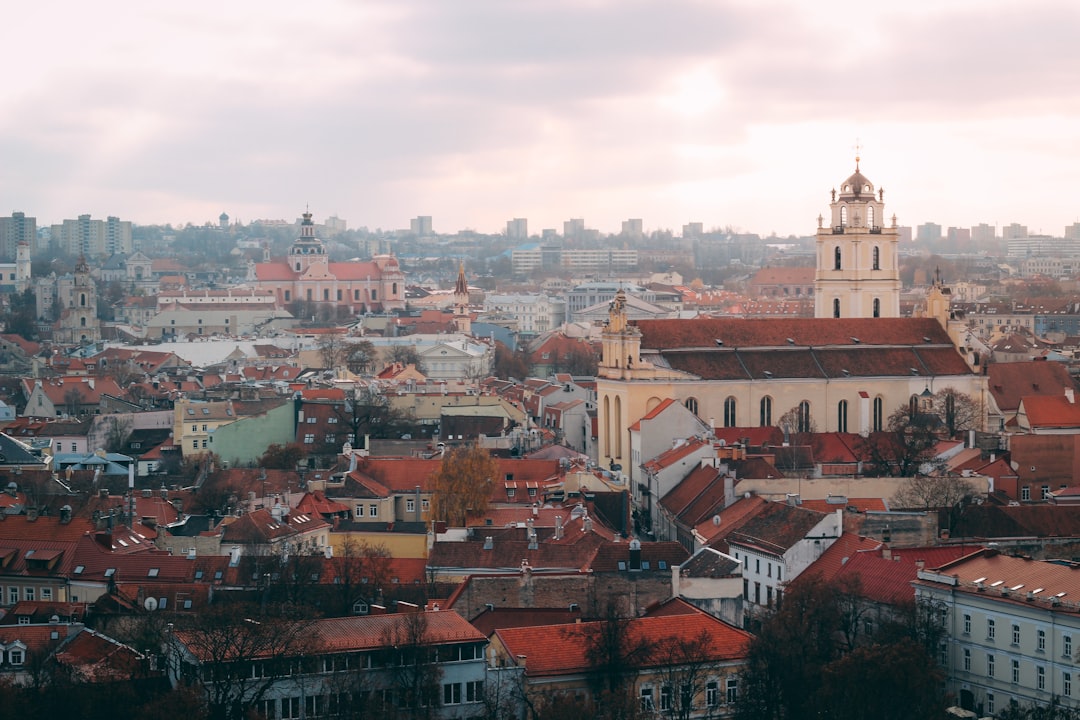
A UNESCO-crowned labyrinth of baroque churches, hidden courtyards, and narrow lanes that feel plucked from a fever dream of old Europe. Every turn reveals another painted façade, another bell tower catching the golden hour light.
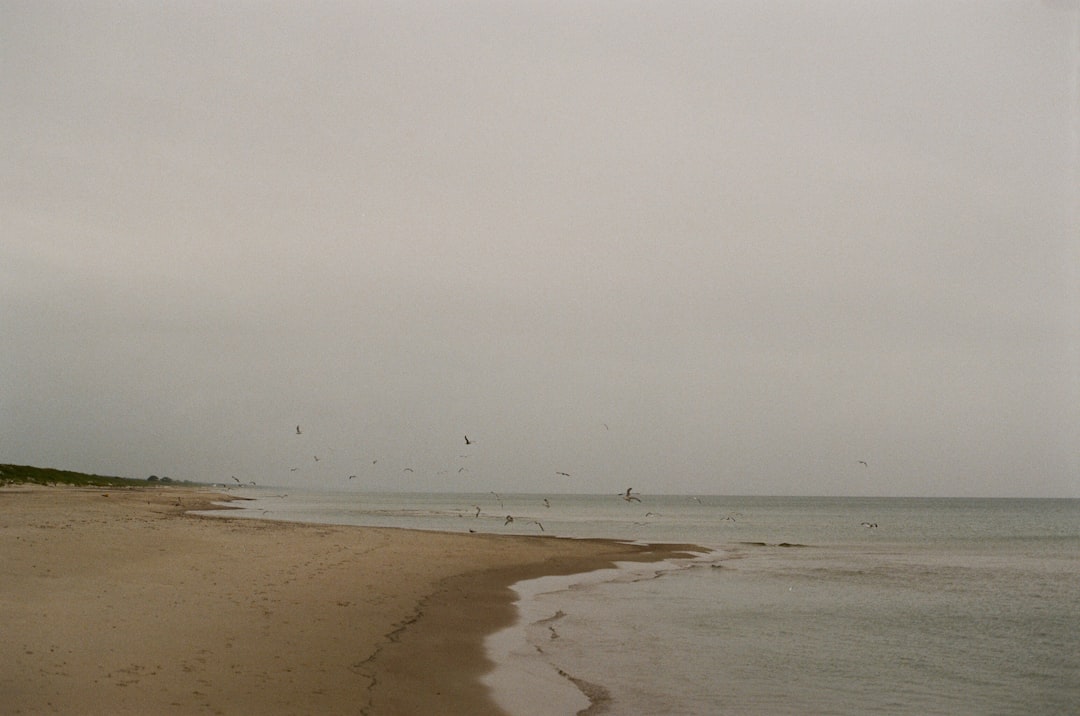
A slender ribbon of sand dunes stretching between the Baltic Sea and the Curonian Lagoon, where wind-sculpted peaks shift like sleeping giants. At sunset, the dunes glow amber — the same precious resin the sea has been offering these shores for millennia.
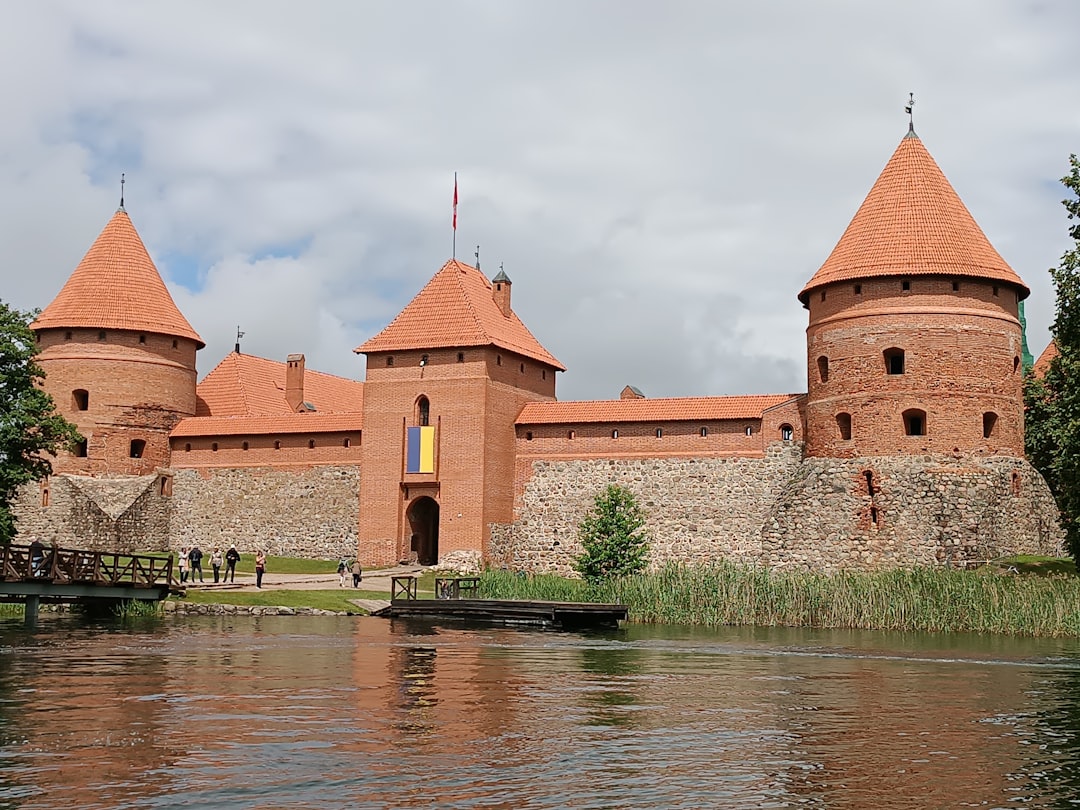
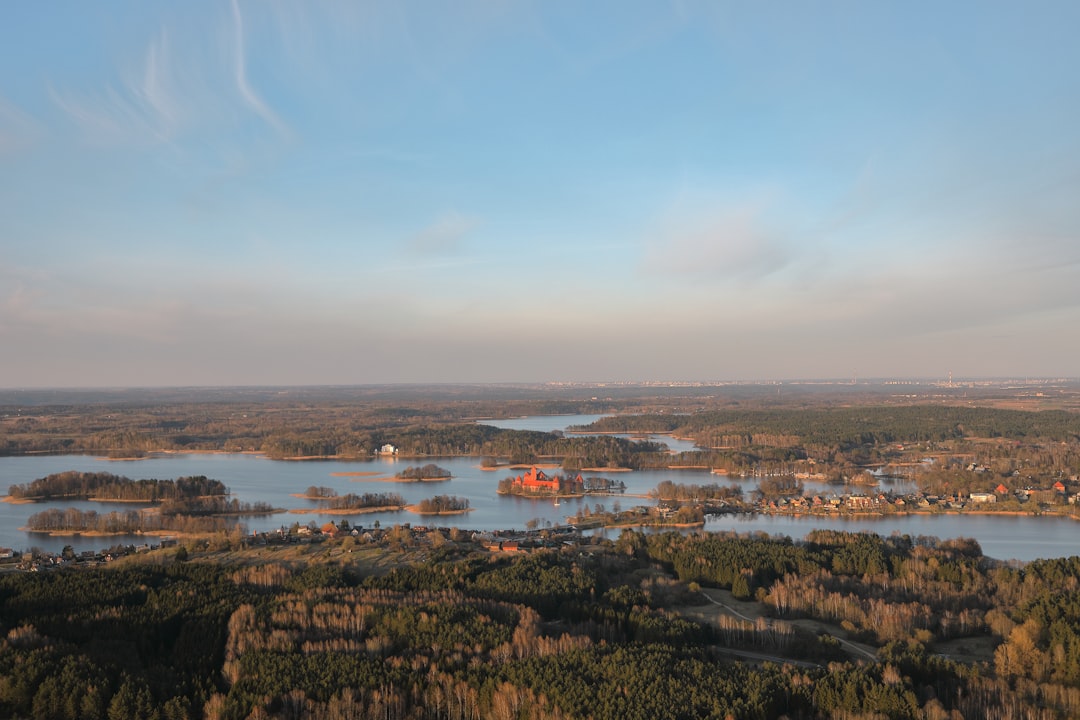
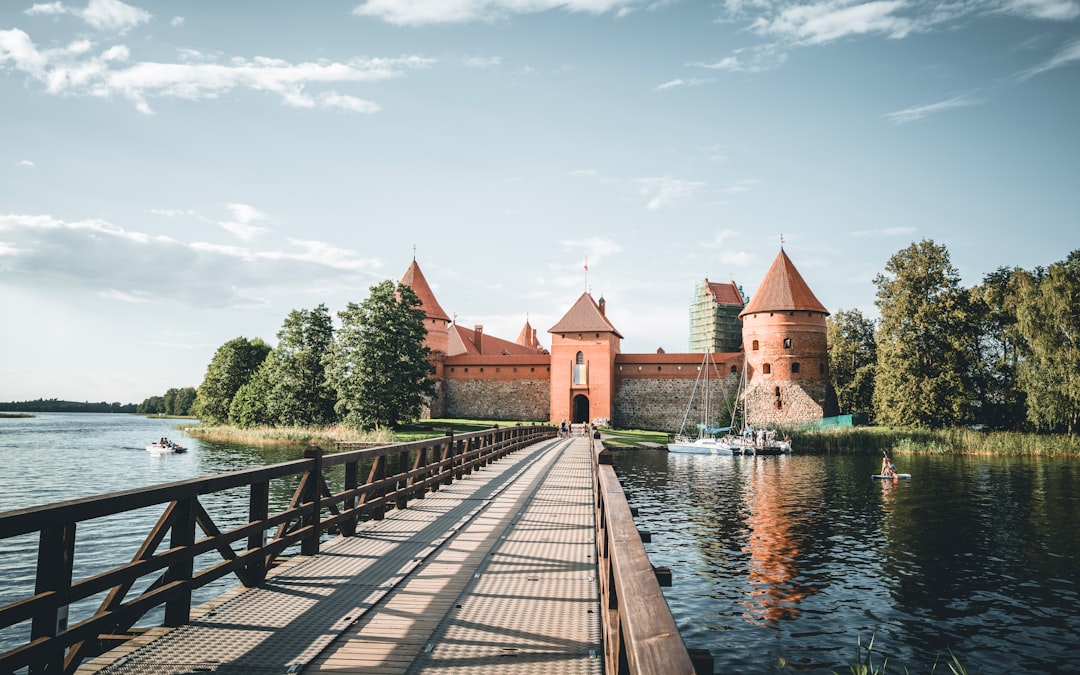
A red-brick fortress rising from the mirror-still waters of Lake Galvė, Trakai is Lithuania's fairy tale made real. In autumn, the surrounding forests set the lake ablaze with copper and gold, framing the castle like a painting you can walk into.
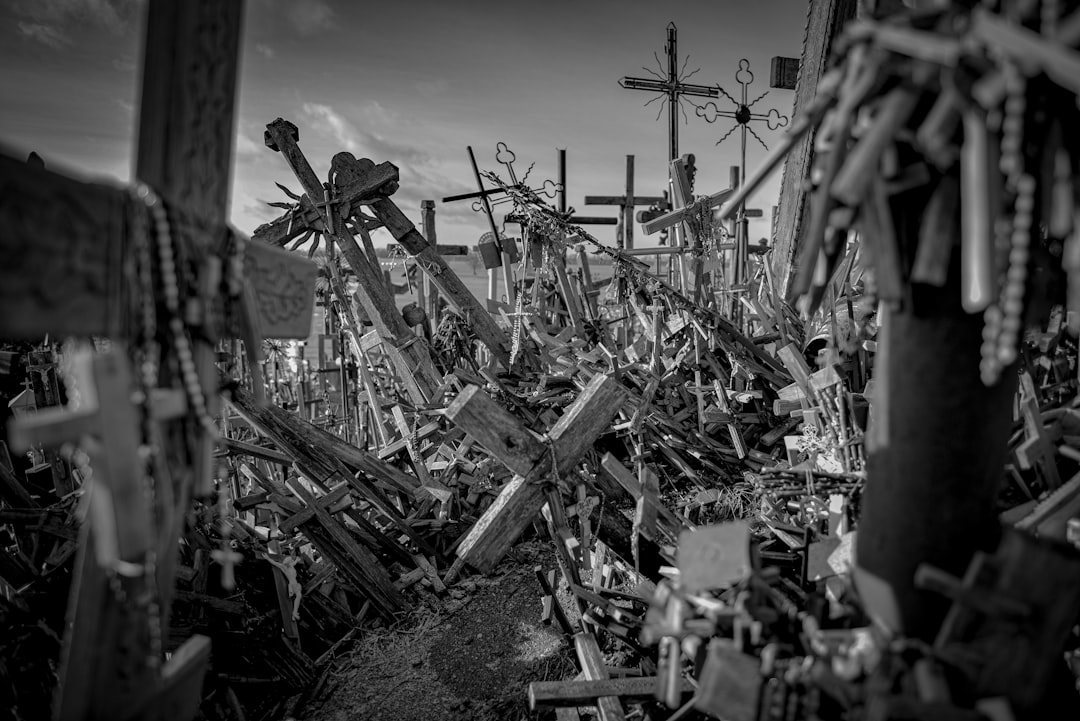
Over 200,000 crosses crowd this small hill near Šiauliai — a defiant, haunting monument to faith that no occupation could destroy. The wind carries a faint metallic hymn through the forest of crucifixes, rosaries, and pilgrim prayers.
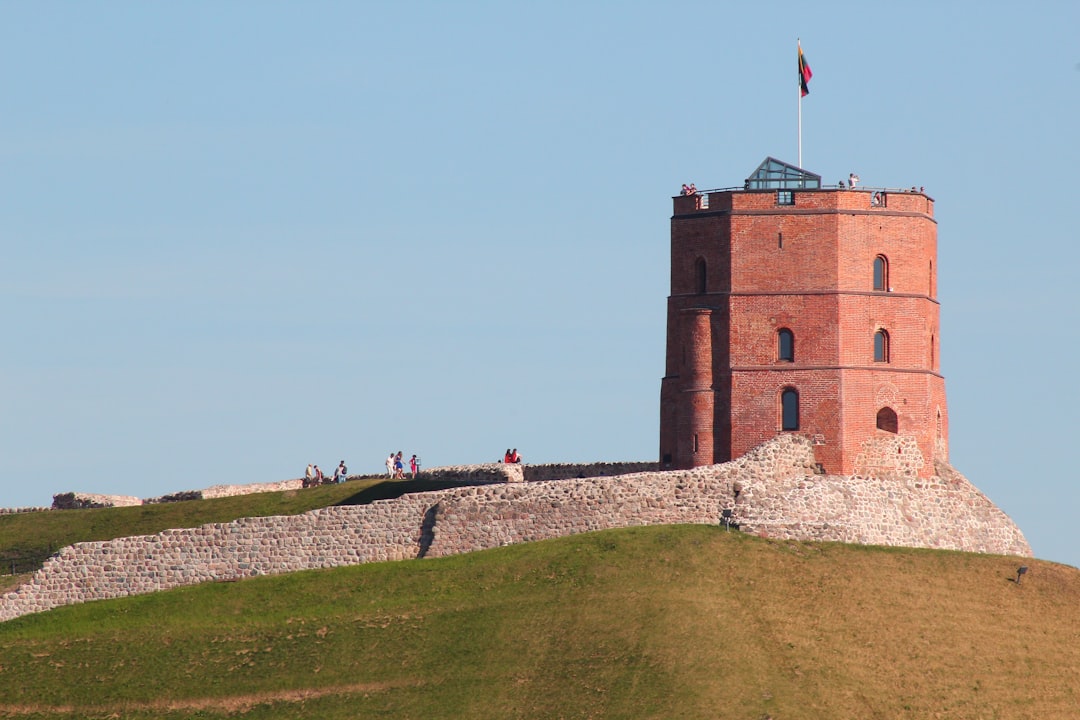
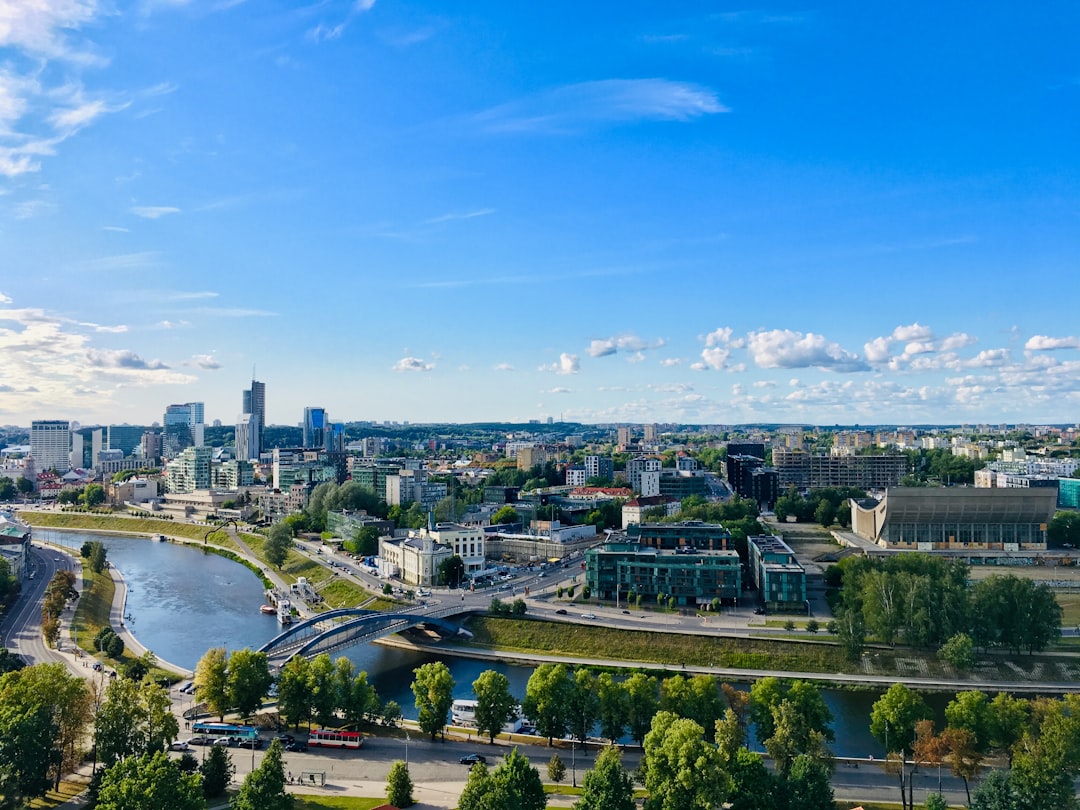
Perched on a hilltop above Vilnius, this brick watchtower has stood guard since the 14th century, a symbol of Lithuanian resilience carved in stone. Climb to the top and the entire Old Town unfolds beneath you like a living map of Baltic history.
Five ancient hillforts overlook the Neris River valley where Lithuania's story began — a place older than the country's name itself. Walking the grassy mounds at dawn, with fog rolling through the valley below, feels like stepping into a pagan saga.
A bohemian micro-nation in the heart of Vilnius where artists declared independence and wrote a constitution granting rights to cats, dogs, and the river. Every wall is a canvas, every café a manifesto — it is the world's most charming act of creative rebellion.
Over a hundred lakes shimmer among ancient pine forests in Lithuania's oldest national park, where wooden villages cling to shorelines unchanged for centuries. Paddle a canoe through the silence and you will understand why Lithuanians say their soul lives in the forest.
A surreal open-air museum of Soviet-era statues reclaimed by forest and irony, where Lenin and Stalin stand ankle-deep in Lithuanian mud. It is equal parts history lesson and dark comedy — a uniquely Baltic way of confronting the past without flinching.